
MA in literary studies in English
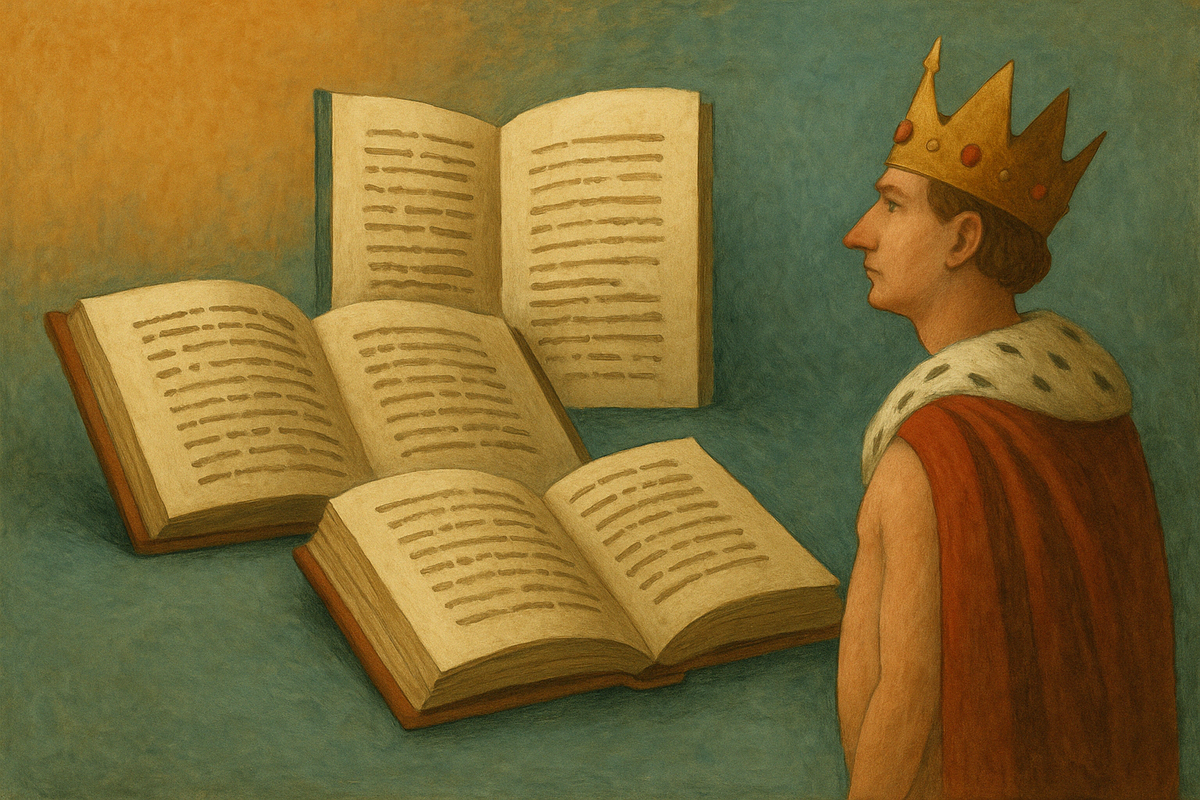
The Emperor’s Afterlife: what I’m researching and why
I am currently proposing a Master’s in English, where my thesis explores how Hans Christian Andersen’s fable The Emperor’s New Clothes (1837) continues to shape modern literature, not as a quaint children’s tale, but as a foundational allegorical structure used to interrogate truth, silence, and complicity.
At the heart of the project are two texts:
Mark Dunn’s Ella Minnow Pea (2001) is a satirical epistolary novel concerned with language, censorship and social performance.
Bartho Smit’s Die Keiser (1984) is an Afrikaans play that reimagines Andersen’s fable within a different political and theatrical tradition.
These works are very different in tone and form, yet both draw their power from the same narrative blueprint: an illusion no one dares to question, and a truth that survives only through resistance.
Although Die Keiser falls outside the English literary tradition, it serves as a comparative lens rather than a primary focus. The study remains firmly situated within English literature, with Ella Minnow Pea as the main site of analysis. Other English-language works are also brought into consideration where appropriate, though not examined in the same depth. Die Keiser is included to highlight how Andersen’s allegory continues to resonate across languages and contexts, and to emphasise its lasting significance in literary ethics and political storytelling.
Thesis Title
The Emperor’s Afterlife: Allegory, Truth, and Complicity in Two Modern Texts
Research Question
How does Mark Dunn’s Ella Minnow Pea reanimate the allegorical and ethical structure of Hans Christian Andersen’s The Emperor’s New Clothes, particularly in relation to truth, voluntary silence, and complicity, with Bartho Smit’s Die Keiser serving as a comparative lens on the fable’s cross-cultural literary endurance?
Chapter Overview
1. Introduction
Research focus, rationale, and methodology
2. Andersen’s Allegory and the Ethics of Silence
A close reading of The Emperor’s New Clothes as a literary and moral structure
3. Truth, Silence, and Social Complicity in Ella Minnow Pea
How constrained language and satire critique complicity and control
4. Cross-Cultural Echoes in Die Keiser
Resistance, illusion, and abstraction in Afrikaans theatre
5. The Afterlife of a Fable
Literary synthesis and the role of allegory in modern English fiction
6. Conclusion
Reflections on truth, storytelling, and the enduring value of allegorical thinking
This page provides a high-level overview of a Master’s thesis currently in development. Please cite responsibly and do not reproduce original arguments or structures without permission.