
What is it about this fable?
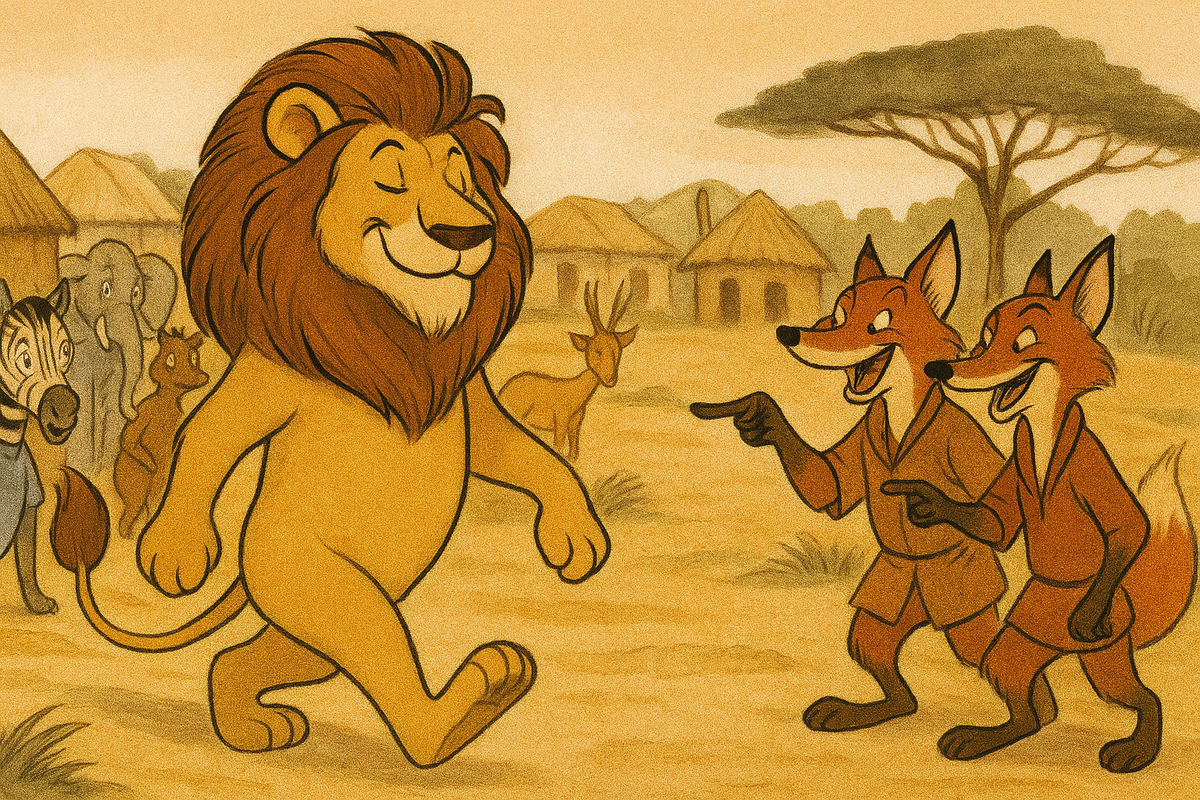
I met The Emperor’s New Clothes long before I ever studied it.
It was an Afrikaans Disney-style picture book, the kind with glossy pages and anthropomorphic animals. In this version, the emperor was a lion, the townspeople were creatures of the savannah, and the tricksters, of course, were foxes. My mom read it to me before I could read it myself. Later, I read it aloud to her.
I remember thinking the emperor was absurd. Not just naked - stupid. And all the people around him? Also stupid. It was obvious to me that he had no clothes. How could they not see it? The foxes, on the other hand, fascinated me. They were clever. Sneaky. I didn’t see them as villains. I was too caught up in their cunning.
I didn’t know then that this was my first real encounter with allegory, or that the story would follow me into adulthood, into classrooms, and eventually into the bones of my research. I only knew it stuck.
Years later, I encountered it again: as a teenager, I read Bartho Smit’s Die Keiser and something clicked. The tale had shape-shifted again: different language, deeper themes, and a theatrical urgency I hadn’t felt before. It wasn’t about a lion anymore; it was about complicity. Silence. The dangerous desire to save face.
Even now, as I prepare to write a thesis on how this fable keeps echoing through modern literature, I return to that animal-book version. The instinctive clarity I felt as a child, the urge to name what others refuse to admit, is still with me. But so is the discomfort. Why do so many people play along? Why is illusion so sticky? And why do the foxes still intrigue me? Why do I feel a sense of déjà voux when reading the news?
I think some stories follow you. Not because they’re sweet or nostalgic, but because they keep insisting on being read differently.
This is one of mine.